
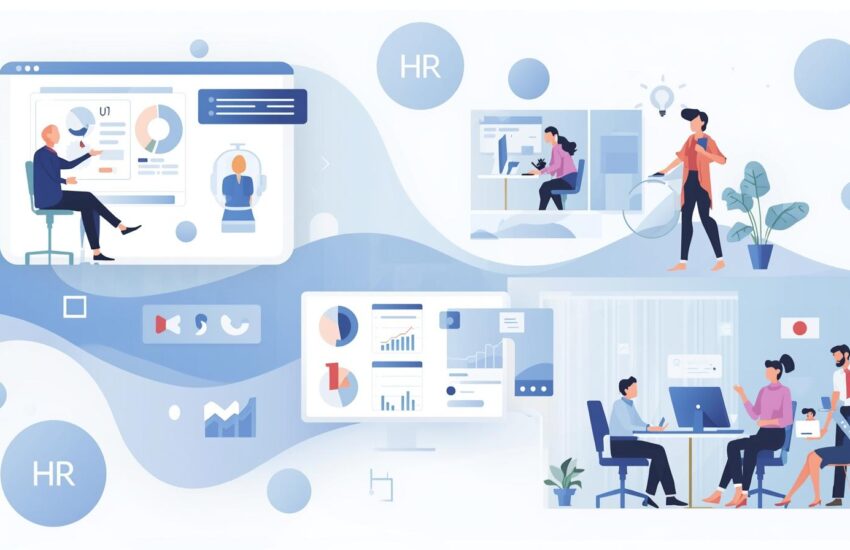
In terms of HRMS software, it’s really changing how we manage people at work. It’s truly making things much smoother for everyone involved. In today’s business world, it’s pretty clear that just keeping tabs on who’s showing up or making sure paychecks go out isn’t enough anymore when you’re trying to really manage your team as it should be. Businesses really need human resource management system solutions that are smarter, quicker, and more connected.
That’s exactly where HRMS software becomes super helpful. Using cool workforce management software, along with HR systems, HR automation tools, and employee engagement tools, can really change how businesses handle their teams and boost what they get done.
What Is HRMS Software?
So, you’re trying to get a handle on HRMS software. An HRMS is basically a computer system that takes all those HR tasks and makes them way easier. Usually, HR means a lot of paperwork and doing things by hand. But with a human resource management system (HRMS) software, everything HR-related is in one place. It handles everything from hiring new people and getting them settled in, to making sure everyone gets paid and tracking how well they’re doing.
Today’s workforce management software tools let HR folks keep an eye on how employees are doing, if they’re showing up, and how much work they’re getting done, right as it happens. This just saves time and makes sure everything in HR is accurate and follows the rules.
Key Features of HRMS Software
1. Employee Information Management
What makes HRMS software tick is how it handles all the nitty-gritty of employee information. Keeping track of personal details, contact info, and job history can be overwhelming
but the software makes it easy. Payroll is another area where HRMS software excels, simplifying payments and tax management.
2. Recruitment and Onboarding
A good HR system handles everything from posting jobs to onboarding new hires. Once employees are working, the system helps manage performance, making reviews and goal-setting straightforward. It also manages time off, attendance, training, and development bringing everything together for a smoother experience overall.
3. Workforce Management Software
Good workforce management is essential for any company. Workforce management software helps track who’s here, when they’re working, and ensures optimal use of human resources. Managers can see what their team is doing in real-time and make smarter staffing decisions.
4. HR Automation Tools
HR automation tools reduce the time spent on repetitive HR tasks like payroll, leave approvals, and onboarding. Using HR automation tools in HRMS software cuts down on errors, saves time, and lets HR teams focus on strategic initiatives like talent growth and employee satisfaction.
5. Employee Engagement Tools
Keeping employees engaged is critical for productivity. Employee engagement tools help collect feedback, monitor performance, run recognition programs, and conduct surveys. Integrated into HRMS software, these tools foster a positive workplace and retain top talent.
6. Analytics and Reporting
HRMS software provides real-time dashboards and reports on workforce trends, attendance, and performance. Predictive analytics help managers anticipate HR needs and make proactive, data-driven decisions.
Benefits of HRMS Software in Workforce Management
- Increased Efficiency: Automation reduces manual work and administrative burden.
- Better Decision-Making: Real-time data from workforce management software supports workforce planning.
- Enhanced Employee Experience: Employee engagement tools boost motivation and retention.
- Compliance and Accuracy: Ensures proper records, payroll processing, and regulatory compliance.
- Scalability: Supports growth without hiring additional HR staff.
How HRMS Software Transforms HR Processes
Recruitment and Onboarding
Streamlined candidate tracking, interview scheduling, and documentation make hiring efficient.
Performance Management
Monitor employee goals, feedback, and reviews in real-time.
Payroll and Leave Management
Automated calculations and approvals ensure accuracy.
Learning and Development
Track skills and provide training programs to help employees grow.
Employee Engagement
Recognition programs, surveys, and collaboration tools create a better workplace environment.
Choosing the Right HRMS Software
Selecting an HRMS software platform requires careful consideration:
- Integration with existing tools and systems.
- Mobile access for remote workforce management.
- User-friendly dashboards and actionable analytics.
- Availability of HR automation tools and employee engagement tools.
- Scalability for future growth.
The right human resource management system isn’t just about making HR jobs easier it becomes a strategic partner in managing your workforce.
The Future of Workforce Management with HRMS Software
Digital HR platforms are transforming HR from hiring to offboarding. AI-powered analytics, cloud-based systems, and predictive workforce management are making HRMS software even more essential. Businesses can better anticipate workforce needs, improve engagement, and boost productivity.
Conclusion
HRMS software brings together workforce management software, HR automation tools, and employee engagement tools into a single, powerful platform. Businesses that adopt modern human resource management systems streamline HR processes, improve employee engagement, and make smarter decisions, resulting in a more productive, adaptable, and satisfied workforce.
Tired of HR chaos? Isn’t it time for a smarter system?
Get in TouchFrequently Asked Questions
1. How does workforce management software improve HR operations?
Workforce management software helps track employee attendance, schedules, and productivity in real time. It enables managers to make informed decisions and ensures optimal resource allocation across teams.
2. Can HR automation tools reduce manual HR work?
Yes! HR automation tools automate repetitive HR tasks such as payroll, leave approvals, and onboarding. This reduces errors, saves time, and allows HR teams to focus on strategic initiatives like talent development.
3. How do employee engagement tools benefit organizations?
Employee engagement tools increase motivation, satisfaction, and retention. Integrated within HRMS software, these tools collect feedback, track performance, run recognition programs, and foster a positive workplace culture.
4. Why should businesses invest in a human resource management system?
A modern human resource management system combines workforce management software, HR automation tools, and employee engagement tools into a single platform. It enhances efficiency, supports compliance, and drives better decision-making for the workforce.

